
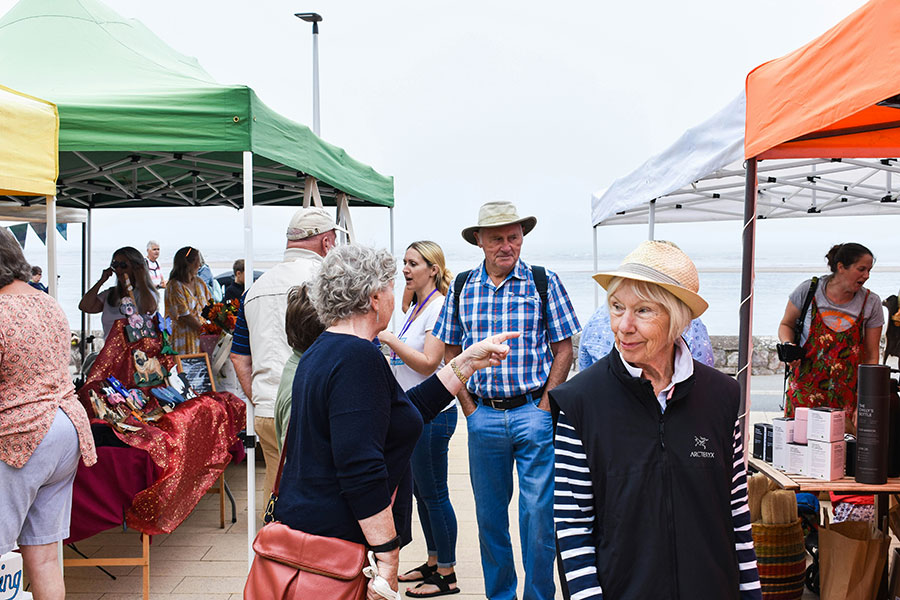
Neighborhood festivals are a cornerstone of community spirit, bringing together residents in celebration of local culture, food, and crafts. As these gatherings grow in popularity, organizing spaces that are both welcoming and equipped to handle crowds is essential. Crafting such environments requires careful planning, an understanding of the attendees’ needs, and a knack for anticipating logistical challenges.
Designing Functional Layouts for Accessibility
Firstly, consider the functionality and layout of the event space to ensure smooth flow and accessibility. This involves strategically placing amenities such as food stalls, rest areas, and entertainment zones to minimize congestion. Carefully crafted layouts not only facilitate movement but also enhance the overall experience of neighborhood festivals by creating inviting environments where attendees are more likely to linger and interact. Taking advantage of natural shading or erecting tents for temporary shelter can provide respite from the elements, making the space more comfortable for extended visits.
Securing Essential Rentals for Peak Seasons
Moreover, attention to comfort extends beyond the physical layout into the choice of rentals and amenities, critical due to the peak booking season. According to Industry Research, an estimated 50–60% of all event rental bookings occur during a four-month peak season spanning spring through early fall. This makes it imperative to reserve necessary items such as tents, seating, or an outdoor dance floor rental well in advance. Opting for versatile furniture that can be easily rearranged or repurposed ensures adaptability to the ever-changing dynamics of neighborhood festivals.
Implementing Health and Safety Measures
Lastly, consider integrating community health and safety measures to further elevate the festival’s comfort level. Providing clear signage, adequate lighting, and emergency facilities are crucial components in ensuring a safe environment. Additionally, incorporating sustainability initiatives such as recycling stations and eco-friendly materials not only boosts the event’s green credentials but also attracts eco-conscious attendees. This holistic approach to creating a secure and sustainable setting elevates the festivity, fostering a sense of communal responsibility and camaraderie.
Organizing neighborhood festivals that is both comfortable and crowd-ready involves meticulous planning and an understanding of key logistical elements. By designing a functional layout, prioritizing rental logistics, and upholding health and safety standards, event organizers can cultivate inviting spaces that foster community spirit. As neighborhoods become more vibrant with such well-planned festivals, they embody the essence of unity and shared joy. Contact Allied Event Solutions to get started with organizing your next event.